1. Temperate Deciduous Forest: This is the most prevalent biome in Minnesota, covering the southern and eastern portions of the state. Characterized by:
* Trees: Deciduous trees like oak, maple, ash, and elm dominate.
* Understory: Shrubs, ferns, wildflowers, and grasses.
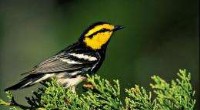
* Wildlife: White-tailed deer, squirrels, rabbits, birds like cardinals and woodpeckers.
2. Temperate Grassland: Found in the southwestern and western parts of the state.
* Vegetation: Tall grasses, wildflowers, and scattered trees like cottonwood and bur oak.
* Wildlife: Bison (historically), prairie dogs, ground squirrels, grassland birds.
3. Boreal Forest (Taiga): Occupies the northern part of the state.
* Trees: Coniferous trees like spruce, pine, and fir.
* Understory: Mosses, lichens, and low-growing shrubs.
* Wildlife: Moose, black bear, lynx, snowshoe hare, birds like grouse and owls.
4. Wetlands: Found throughout Minnesota, particularly in the southern and central portions.
* Types: Marshes, swamps, bogs, fens.
* Vegetation: Cattails, sedges, reeds, and aquatic plants.
* Wildlife: Ducks, geese, frogs, turtles, muskrats, beavers.
5. Lakes and Rivers: Minnesota is known as the "Land of 10,000 Lakes", with countless lakes and rivers.
* Aquatic Life: Fish, amphibians, reptiles, insects.
* Shoreline: Varies based on lake type, but may include trees, grasses, and shrubs.
6. Prairie: A smaller, less prevalent biome than grassland, found in scattered pockets.
* Vegetation: Grasses, wildflowers, and occasional trees.
* Wildlife: Similar to grassland, but may include specific species adapted to prairie ecosystems.
Note: These are general descriptions. The specific characteristics of each biome can vary depending on location, elevation, and other environmental factors.