For general identification:
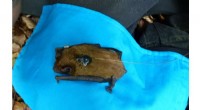
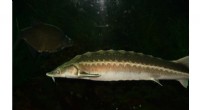
* Physical characteristics: This is the most basic method and can often be used in the field. Look at the organism's size, shape, color, texture, and any unique features.
* Habitat: Where the organism lives can provide clues to its identity. For example, a bird found in a desert is likely different from one found in a rainforest.
* Behavior: How the organism moves, eats, and interacts with its environment can be helpful.
For more specific identification:
* Dichotomous Keys: These are branching sets of questions that lead you to the correct identification. Each question presents two choices, and you follow the answer that best matches the organism.
* Field guides: These are books or online resources with pictures and descriptions of different organisms. You can compare your organism to the images and descriptions to find a match.
* Scientific classification: This system uses hierarchical categories (Kingdom, Phylum, Class, Order, Family, Genus, Species) to organize organisms based on their evolutionary relationships. This is often used in scientific research.
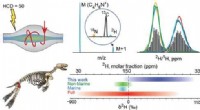
* DNA analysis: This advanced technique can be used to determine an organism's genetic makeup, providing a very precise identification.
The best tool for identification depends on:
* Your level of expertise: A beginner might use a simple field guide, while a scientist might use DNA analysis.
* The type of organism: Different organisms have different characteristics that are most useful for identification.
* The purpose of identification: Are you just curious about what you're looking at, or do you need a precise identification for scientific research?
In summary, there is no single "key" to identify organisms. The most effective method will depend on the specific organism and the level of detail you require.