The main difference between prokaryotes and eukaryotes lies in the organization of their cells. Prokaryotes are simpler, lacking a nucleus and other membrane-bound organelles. Eukaryotes, on the other hand, have complex, compartmentalized cells with a defined nucleus and various organelles.
Here's a table highlighting the key differences:
| Feature | Prokaryotes | Eukaryotes |
|-----------------|---------------------------------------------------|------------------------------------------------------|
| Size | Generally smaller (1-10 µm) | Generally larger (10-100 µm) |
| Nucleus | Absent, DNA is in a region called the nucleoid | Present, contains DNA enclosed in a membrane |
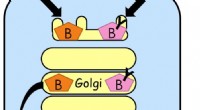
| Organelles | Few, no membrane-bound organelles | Many, including mitochondria, ER, Golgi apparatus, etc. |
| Cell Wall | Present in most, made of peptidoglycan | Present in plants, fungi, and some protists, but not animals |
| Ribosomes | Smaller (70S) | Larger (80S) |
| Reproduction | Asexual, mainly by binary fission | Sexual and asexual reproduction |
| Examples | Bacteria, archaea | Plants, animals, fungi, protists |
In a nutshell:
* Prokaryotes: Single-celled organisms, simple in structure, incredibly diverse and abundant.
* Eukaryotes: Organisms with complex cells, often multicellular, highly specialized and diverse.
Here's a simple analogy: think of a prokaryotic cell as a small, efficient apartment without any walls or rooms. A eukaryotic cell is like a large, multi-room house with many designated spaces for different functions.
This fundamental difference in cellular organization has led to the incredible diversity of life on Earth. From the smallest bacteria to the largest trees, both prokaryotes and eukaryotes play vital roles in the ecosystem.