Here's why:
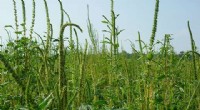
* Photosynthesis: Plants, algae, and some bacteria use a process called photosynthesis. They convert sunlight, water, and carbon dioxide into energy-rich sugars (food) and oxygen. This is the foundation of most food webs.
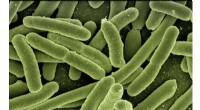
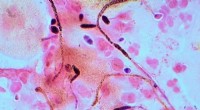
* Chemosynthesis: Some bacteria, particularly those found in extreme environments like deep-sea vents, don't rely on sunlight. Instead, they use chemical reactions to generate energy from inorganic compounds (like hydrogen sulfide or methane). This process is called chemosynthesis and allows these bacteria to produce their own food in environments where sunlight doesn't reach.
So, while plants are the most common producers, we can't forget about the fascinating world of chemosynthetic bacteria, who contribute to ecosystems in unique ways.