1. Plasma Membrane:
- The outer boundary of the cell, regulating what enters and exits.
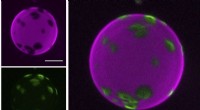
- Composed of a phospholipid bilayer with embedded proteins.
2. Cytoplasm:
- The gel-like substance filling the cell, where many cellular processes occur.
- Contains organelles and other structures.
3. Organelles:
- Specialized structures within the cell, each with its own function.
- Examples include:
- Nucleus: Contains genetic material (DNA) and controls cell activities.
- Ribosomes: Sites of protein synthesis.
- Endoplasmic reticulum (ER): Network of membranes involved in protein synthesis and lipid metabolism.
- Rough ER: Contains ribosomes, involved in protein production.
- Smooth ER: Lacks ribosomes, involved in lipid synthesis and detoxification.
- Golgi apparatus: Modifies, packages, and sorts proteins and lipids.
- Mitochondria: Powerhouse of the cell, responsible for cellular respiration and ATP production.
- Lysosomes: Contain enzymes that break down waste products and cellular debris.
- Peroxisomes: Involved in lipid metabolism and detoxification.
- Vacuoles: Storage compartments for water, nutrients, and waste products.
4. Cytoskeleton:
- A network of protein filaments that provides structural support, helps with cell movement, and organizes organelles.
- Composed of:
- Microtubules: Hollow tubes involved in cell shape, movement, and organelle transport.
- Microfilaments: Thin, solid rods involved in cell shape, movement, and muscle contraction.
- Intermediate filaments: Rope-like structures providing strength and support.
5. Inclusions:
- Non-living substances within the cell, such as:
- Glycogen granules: Storage form of carbohydrates.
- Lipid droplets: Storage form of fats.
- Pigment granules: Give cells their color.
Note: The specific components and their arrangements can vary between different types of cells, reflecting their specialized functions.