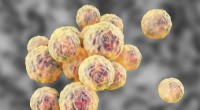
1. Red Blood Cells (Erythrocytes): These are the most numerous type of blood cell and are responsible for carrying oxygen from the lungs to the body's tissues and transporting carbon dioxide back to the lungs. They are biconcave discs, lacking a nucleus, and contain the protein hemoglobin, which binds to oxygen.
2. White Blood Cells (Leukocytes): These cells are part of the immune system and are responsible for fighting infection and disease. There are several different types of white blood cells, each with its own specific function:
* Neutrophils: The most common type of white blood cell, they engulf and destroy bacteria and other foreign invaders.
* Lymphocytes: Involved in specific immune responses, including the production of antibodies and the destruction of infected cells.
* Monocytes: Phagocytize (engulf) debris and pathogens.
* Eosinophils: Fight parasitic infections and allergic reactions.
* Basophils: Release histamine and other chemicals involved in inflammation.