Angiosperms, also known as flowering plants, have a complex and fascinating reproductive process. Here's a breakdown of the key steps:
1. Pollination:
* Flowering: The angiosperm develops a flower, a specialized structure designed for reproduction.
* Pollen Production: The male part of the flower, the stamen, produces pollen grains.
* Pollen Transfer: Pollen grains must be transferred from the stamen to the female part of the flower, the pistil. This can happen through various methods like:
* Wind pollination: Pollen is carried by wind currents.
* Insect pollination: Insects are attracted to the flower's nectar and pollen, and carry pollen on their bodies as they move from flower to flower.
* Animal pollination: Other animals, like birds or bats, can also act as pollinators.
2. Fertilization:
* Pollen Germination: Once pollen reaches the pistil, it germinates, forming a pollen tube that grows down through the style towards the ovary.
* Sperm Release: The pollen tube carries two sperm nuclei down to the ovary.
* Double Fertilization: This is the unique characteristic of angiosperms:
* One sperm nucleus fuses with the egg cell, forming a diploid zygote which will develop into the embryo.
* The other sperm nucleus fuses with the two polar nuclei within the central cell, forming a triploid endosperm which will provide nourishment for the developing embryo.
3. Seed Development and Fruit Formation:
* Seed Development: The fertilized egg develops into an embryo enclosed within a protective seed coat. The seed also contains stored food, provided by the endosperm.
* Fruit Formation: The ovary of the flower swells and develops into a fruit, surrounding the developing seeds. The fruit serves to protect the seeds and aid in their dispersal.
4. Seed Dispersal:
* Mechanisms: Fruits employ various mechanisms to disperse seeds, including:
* Wind dispersal: Seeds with wings or parachutes are carried by the wind.
* Animal dispersal: Seeds with fleshy fruits are eaten by animals, who then disperse the seeds in their droppings.
* Water dispersal: Some seeds are adapted for dispersal by water currents.
5. Germination:
* Favorable Conditions: When conditions are favorable (water, oxygen, and suitable temperature), the seed germinates.
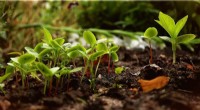
* Root and Shoot Development: The embryo within the seed develops into a seedling with a root and shoot.
* New Plant Growth: The seedling continues to grow, eventually developing into a mature plant that can reproduce itself.
In summary, the life cycle of an angiosperm is characterized by a complex and fascinating process of pollination, fertilization, seed development, fruit formation, seed dispersal, and germination, leading to the creation of new generations of flowering plants.