Here's why:
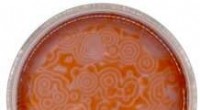
* Density-Dependent Inhibition (DDI): Normal animal cells exhibit DDI, meaning they stop dividing when they come into contact with each other and form a single layer. This is a crucial mechanism for regulating cell growth and preventing uncontrolled proliferation.
* Cancer Cells: Cancer cells often lose the ability to respond to DDI signals. They continue to divide even when crowded, leading to the formation of tumors. This uncontrolled growth is a hallmark of cancer.
Other Possible Sources:
While cancer is the most likely explanation, there are other scenarios where you might observe a lack of DDI:
* Immortalized Cell Lines: Some cell lines are engineered to bypass DDI and continue dividing indefinitely, even when crowded. These lines are often used in research for their convenience.
* Developmental Stages: Certain developmental stages in animal embryos might exhibit reduced DDI as cells rapidly divide to form tissues and organs. However, this is a temporary state and DDI is typically re-established later.
Important Note: Observing a lack of DDI in a tissue sample is not conclusive evidence of cancer. Further analysis, such as genetic testing, is necessary to confirm the presence of cancerous cells.