Here's a breakdown of the main components of an animal cell and their functions:
1. Plasma Membrane (Cell Membrane):
* Function: Acts as a barrier, controlling the passage of substances into and out of the cell. It maintains the cell's internal environment.
2. Cytoplasm:
* Function: A gel-like substance that fills the cell, providing support and housing the cell's organelles.
3. Nucleus:
* Function: The control center of the cell, containing DNA (genetic material). It directs the cell's activities and controls protein synthesis.
4. Nucleolus:
* Function: Found within the nucleus, it produces ribosomes, which are crucial for protein synthesis.
5. Endoplasmic Reticulum (ER):
* Function: A network of interconnected membranes that serves as a transportation system within the cell.
* Rough ER: Covered in ribosomes, it helps with protein synthesis and modification.
* Smooth ER: Involved in lipid and steroid synthesis, detoxification, and calcium storage.
6. Golgi Apparatus:
* Function: A series of flattened sacs that process, package, and sort proteins and lipids. It also forms lysosomes.
7. Ribosomes:
* Function: Tiny structures that translate genetic information from mRNA into proteins.
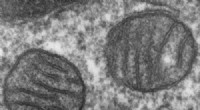
8. Mitochondria:
* Function: Powerhouse of the cell, responsible for cellular respiration, converting nutrients into energy (ATP).
9. Lysosomes:
* Function: Contain digestive enzymes that break down waste materials, cellular debris, and engulfed pathogens.
10. Centrioles:
* Function: Involved in cell division, particularly in the formation of spindle fibers that separate chromosomes.
11. Vacuoles:
* Function: Storage compartments for water, nutrients, and waste products. Animal cells have smaller, temporary vacuoles compared to plant cells.
12. Cytoskeleton:
* Function: A network of protein filaments that provides structural support, shape, and helps with cell movement.
Important Note: While these are the main parts of an animal cell, not all animal cells have all of these structures. The specific composition and abundance of organelles can vary depending on the cell's function and type.