Here's a breakdown:
* Spores: Tiny, single-celled reproductive units that can develop into new fungi.
* Fruiting Body: The visible, often colorful and/or oddly shaped structure of a fungus.
* Production: Fruiting bodies house and protect the spores as they develop.
* Dispersal: Fruiting bodies often have mechanisms to release and distribute spores into the environment, maximizing the chance of germination and new fungal growth.
Examples:
* Mushrooms: The familiar umbrella-shaped fruiting bodies of many fungi.
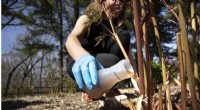
* Puffballs: Round, white fruiting bodies that release a cloud of spores when disturbed.
* Bracket Fungi: Shelf-like structures that grow on trees, releasing spores from tiny pores on their underside.
Important Note: Not all fungi produce fruiting bodies. Some fungi reproduce through other methods, such as budding or fragmentation.