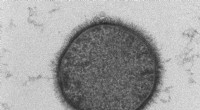
1. Structural Integrity:
* Lipid Composition: The lysosomal membrane is rich in sphingolipids and cholesterol, which make it more resistant to degradation by hydrolytic enzymes.
* Glycoproteins: The inner surface of the lysosomal membrane is lined with glycoproteins, which act as a protective barrier against the enzymes.
* Tightly Packed: The phospholipid bilayer is tightly packed and ordered, making it less permeable to enzymes.
2. Active Transport Mechanisms:
* Proton Pumps: The lysosomal membrane contains proton pumps that maintain a low pH (around 4.5-5.0) inside the lysosome. This acidic environment is crucial for optimal enzyme activity, but also inhibits the function of enzymes outside the lysosome.
* Membrane Transport Proteins: Specific transport proteins in the membrane selectively transport nutrients and other essential molecules into the lysosome, while preventing enzymes from escaping.
3. Protective Molecular Mechanisms:
* Glycosylation: Many lysosomal enzymes are glycosylated, meaning they have sugar molecules attached to them. This glycosylation acts as a protective shield, preventing the enzymes from attacking the membrane.
* Chaperones: Some lysosomal enzymes are associated with chaperone proteins that guide their folding and prevent them from misfolding and becoming destructive to the membrane.
4. Repair Mechanisms:
* Autophagy: Lysosomes can engulf damaged parts of the cell and their own membrane, effectively repairing them and removing damaged components.
5. Redundancy:
* Multiple Layers of Protection: The lysosomal membrane has multiple layers of protection, ensuring its stability and protecting it from the enzymes.
However, it's important to note that:
* Lysosomal Membrane Damage: Lysosomal membranes can be damaged by various factors like oxidative stress, toxins, and genetic mutations.
* Disease: Damage to the lysosomal membrane can lead to lysosomal storage diseases, where the enzymes leak out and damage the surrounding cells.
Overall, the lysosomal membrane is a highly specialized structure with multiple protective mechanisms that allow it to contain and utilize the powerful hydrolytic enzymes while protecting the cell from their destructive potential.