There are numerous methods employed by scientists to study cells, each with its own strengths and limitations. These methods can be broadly classified into:
1. Microscopy:
* Light Microscopy (LM):
* Bright-field microscopy: The most basic type, uses visible light to illuminate the sample. Good for observing basic cell structure.
* Phase-contrast microscopy: Enhances contrast by exploiting differences in the refractive index of cell structures. Excellent for observing living cells without staining.
* Differential interference contrast (DIC) microscopy: Similar to phase-contrast, but produces a more three-dimensional image.
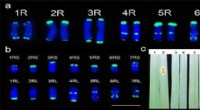
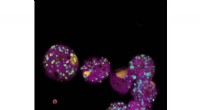
* Fluorescence microscopy: Uses fluorescent dyes to label specific cell components, allowing for the visualization of specific structures within a cell.
* Confocal microscopy: A type of fluorescence microscopy that uses lasers and pinholes to produce sharp, high-resolution images of thin sections of cells.
* Super-resolution microscopy: Uses advanced techniques to overcome the diffraction limit of light, allowing for the visualization of structures smaller than the wavelength of light. Examples include STED, PALM, and STORM.
* Electron Microscopy (EM):
* Transmission electron microscopy (TEM): Uses a beam of electrons to generate an image of the internal structure of cells. Provides high resolution images, revealing fine details of organelles and molecules.
* Scanning electron microscopy (SEM): Produces three-dimensional images of the surface of cells and tissues.
2. Cell Culture:
* Growing cells in vitro: Allows for the controlled study of cells in a laboratory setting. Can be used to study cell growth, differentiation, and response to various stimuli.
* Primary cell culture: Uses cells directly isolated from an organism. Provides a more accurate representation of cells in their natural environment.
* Immortalized cell lines: Cells that can divide indefinitely in culture. Provide a stable and consistent source of cells for research.
3. Biochemical and Molecular Techniques:
* Protein analysis: Methods like electrophoresis, chromatography, and mass spectrometry are used to separate, identify, and quantify proteins.
* DNA and RNA analysis: Techniques like PCR, sequencing, and microarrays allow for the study of genes and their expression.
* Flow cytometry: Uses lasers and fluorescent antibodies to identify and quantify different cell populations based on their characteristics.
* Cell sorting: Enables the isolation of specific cell populations from a mixed population based on their properties.
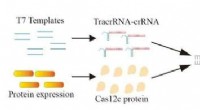
* Genetic manipulation: Techniques like CRISPR-Cas9 allow for targeted gene editing, providing valuable insights into gene function.
4. Other Techniques:
* X-ray crystallography: Used to determine the three-dimensional structure of proteins and other molecules.
* NMR spectroscopy: Provides information about the structure and dynamics of molecules in solution.
* Microfluidics: Enables the manipulation and study of cells in tiny channels and chambers.
* Bioinformatics: Uses computational methods to analyze large datasets of biological information, including cell data.
Choosing the right method: The choice of technique depends on the specific research question being addressed and the type of cell being studied. It's often necessary to use a combination of different methods to obtain a comprehensive understanding of cell function.