Key characteristics of detritivores:
* Heterotrophic: They rely on consuming organic matter produced by other organisms.
* Feed on detritus: They are specialized in consuming dead organic matter rather than living plants or animals.
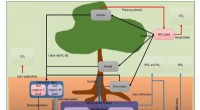
* Decomposers: Their feeding activities contribute to the breakdown of organic matter and nutrient cycling.
* Essential for ecosystems: They play a vital role in the decomposition process, ensuring the recycling of nutrients and maintaining ecosystem health.
Examples of detritivores:
* Invertebrates: Earthworms, millipedes, snails, slugs, dung beetles, termites, and some species of flies.
* Vertebrates: Some fish, crabs, and vultures.
* Microorganisms: Fungi and bacteria are key decomposers.
Science definition:
Detritivore: An organism that consumes detritus, dead organic matter, and plays a critical role in decomposition and nutrient cycling.
It's important to note that while detritivores are often considered decomposers, they are not the same thing. Decomposers are a broader category that includes all organisms that break down organic matter, including bacteria, fungi, and some detritivores.