Here's how it works:
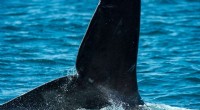
* Similar Environments, Similar Solutions: When organisms live in similar environments, even if they are geographically distant, they often face similar challenges. For example, both sharks (fish) and dolphins (mammals) live in the ocean and need to be streamlined for efficient swimming.
* Independent Evolution: These organisms, despite being unrelated, evolve similar traits to adapt to these similar environments. This happens because natural selection favors those traits that are advantageous in the specific environment.
* Analogous Structures: The resulting similarities in traits are called analogous structures. These structures serve the same function but have different underlying evolutionary origins.
Examples of Convergent Evolution:
* Dolphins and Sharks: Both have streamlined bodies, fins, and tails for swimming.
* Cactus and Euphorbia: Both plants live in deserts and have spiky leaves, thick stems, and shallow roots for conserving water.
* Hummingbird and Hawk Moth: Both have long beaks/proboscises for feeding on nectar.
Convergent evolution is a fascinating example of how natural selection can lead to similar solutions for similar problems, even in unrelated organisms.