Major Biomes:
* Tropical Rainforests: Found near the equator, characterized by high rainfall, warm temperatures, and incredible biodiversity.
* Temperate Deciduous Forests: Located in mid-latitude regions, with moderate temperatures and distinct seasons. They're characterized by trees that lose their leaves in the fall.
* Grasslands: Dominated by grasses and herbaceous plants, found in various climates from semi-arid to temperate.
* Deserts: Dry and arid environments with sparse vegetation and extreme temperatures.
* Tundra: Found in cold, treeless regions with permafrost, characterized by low-lying vegetation.
* Boreal Forests (Taiga): Found in cold, northern regions with long winters and short summers. Dominated by coniferous trees.
* Ocean: The largest biome, covering over 70% of the Earth's surface, with diverse marine life.
* Freshwater: Includes lakes, rivers, streams, and wetlands, supporting a variety of aquatic organisms.
Specific Examples:
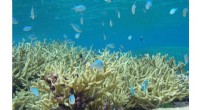
* A coral reef: A complex ecosystem within the ocean, characterized by diverse marine life and vibrant coral colonies.
* A rainforest canopy: The uppermost layer of a rainforest, home to unique plants and animals.
* A mangrove forest: A salt-tolerant forest found along tropical coasts, providing vital habitats for various species.
* A deep-sea hydrothermal vent: An ecosystem fueled by geothermal energy in the ocean depths, supporting unique life forms.
* A human city: While seemingly unnatural, cities are still a part of the biosphere, with their own unique ecosystems and interactions between humans and the environment.
It's important to note that:
* The biosphere is a complex and interconnected system, with various ecosystems interacting with each other.
* It's constantly changing and evolving, influenced by factors like climate change, pollution, and human activity.
* Understanding the biosphere is crucial for preserving biodiversity and ensuring the health of our planet.
These are just a few examples of the vast and diverse biosphere. Each part of the Earth that supports life, from the smallest microbe to the largest whale, is a part of this interconnected system.