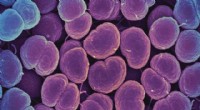
1. Mitosis: This is the most common method of cell division, and it produces two identical daughter cells from a single parent cell. Each daughter cell receives a complete set of chromosomes, ensuring that the genetic material is passed down faithfully.
2. Meiosis: This specialized process occurs only in germ cells (sperm and egg cells) and produces four daughter cells, each with half the number of chromosomes of the parent cell. This reduction in chromosome number is necessary for sexual reproduction, where two gametes (sperm and egg) combine to form a new organism.
While these are the two primary methods of cell replication, it's important to note that there are variations within each process. For example, mitosis can occur in different ways depending on the type of cell, and meiosis has two distinct stages (meiosis I and meiosis II).
Additionally, some organisms have alternative replication mechanisms, such as binary fission, which is common in bacteria.
Therefore, while there are two fundamental ways for a cell to replicate, the specific process can be quite nuanced and dependent on the organism and cell type.