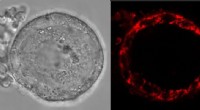
* Sugars: These are the main product of photosynthesis and provide energy for the plant.
* Amino acids: The building blocks of proteins, important for growth and repair.
* Salts: These contribute to the osmotic pressure of the cell, helping it maintain its shape.
* Organic acids: These can help regulate pH and be involved in various metabolic processes.
* Pigments: These can give the cell and the plant its color.
* Waste products: These are substances the plant no longer needs and can be stored in the cell sap until they are removed.
Functions of cell sap:
* Maintaining turgor pressure: Cell sap exerts pressure against the cell wall, giving the plant its rigidity and shape. This is crucial for maintaining the plant's upright posture and allowing it to stand tall.
* Storage: Cell sap serves as a storage compartment for various nutrients and waste products.
* Transport: It helps transport substances within the cell and between cells.
* pH regulation: The composition of cell sap helps to regulate the pH of the cell, which is crucial for many metabolic processes.
In essence, cell sap is a dynamic fluid that plays a vital role in the life of a plant cell. It contributes to the plant's structure, growth, metabolism, and overall health.