Biotic factors are the living components of an ecosystem that influence the size of a population. Here are some examples:
1. Competition:
* Interspecific Competition: Competition between different species for resources like food, water, shelter, or mates. For example, lions and hyenas competing for the same prey.
* Intraspecific Competition: Competition between individuals of the same species for the same resources. This can be intense as the needs are identical. For instance, a large population of deer competing for limited food sources.
2. Predation:
* Predators control prey populations. This can lead to fluctuations in population sizes. For example, wolves controlling the deer population in a forest.
3. Disease and Parasitism:
* Diseases and parasites can significantly impact population size by causing illness and death. For example, a deadly virus outbreak decimating a bird population.
4. Symbiosis:
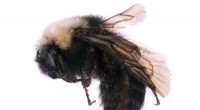
* Mutualism: Both species benefit from the interaction. For example, bees pollinating flowers.
* Commensalism: One species benefits while the other is neither harmed nor helped. For example, barnacles living on a whale.
* Parasitism: One species benefits while the other is harmed. For example, tapeworms living in the intestines of a mammal.
5. Food Availability:
* The amount of food available can directly affect population size. A shortage of food can lead to starvation, increased competition, and lower birth rates.
6. Habitat Availability:
* The availability of suitable habitats, like nesting sites or shelter, can influence population size. Limited nesting spots can limit the growth of a bird population.
7. Breeding Rate:
* The reproductive rate of a species can have a significant impact on population size. Species with higher breeding rates are likely to have larger populations.
8. Dispersal:
* Migration patterns and dispersal of individuals from a population can influence population size. Immigration can increase population size, while emigration can decrease it.
9. Human Impact:
* Human activities like habitat destruction, pollution, and introduction of invasive species can have significant impacts on population size.
Conclusion:
These biotic factors interact in complex ways to influence the size of populations within an ecosystem. Understanding these interactions is crucial for managing and conserving ecosystems and their biodiversity.