Here's why:
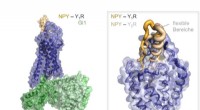
* Structural Genomics: Focuses on determining the three-dimensional structures of proteins and other molecules encoded by genes. This process involves mapping and sequencing genes to understand their arrangement and function.
Let's look at why the other options aren't the right fit:
* Artificial Genomics: Deals with the artificial design and synthesis of new genes and genomes.
* Comparative Genomics: Compares the genomes of different organisms to understand evolutionary relationships and identify genes responsible for specific traits.
* Experimental Genomics: Uses experimental techniques to study gene function and interactions.
* Zonal Genomics: This term is not a recognized branch of genomics.
In summary: Structural genomics encompasses the mapping and sequencing of genes, which are fundamental steps in understanding the structure and function of genomes.