Here's a breakdown:
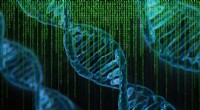
* Original chromosome: Each chromosome is made up of a single long DNA molecule.
* Replication: The DNA molecule is unwound, and each strand acts as a template for the creation of a new, complementary strand.
* Result: This results in two identical copies of the original chromosome, each consisting of one original strand and one newly synthesized strand.
This duplication is crucial for cell division:
* Mitosis: During cell division, each daughter cell receives a complete set of chromosomes, ensuring that both cells have the same genetic information.
* Meiosis: During the formation of gametes (sperm and egg cells), chromosomes replicate, and then homologous chromosomes exchange genetic material (crossing over) before being separated into different gametes. This genetic diversity is essential for sexual reproduction.