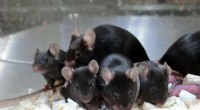
* Inheritance: Genes are passed down from parents to offspring. Each parent contributes half of their genetic material (DNA) to their child.
* Combination: The offspring receives a unique combination of genes from both parents, resulting in its own distinct genetic makeup.
* Variations: The combination of genes from each parent can lead to variations within a species, contributing to diversity.
Example: If a plant inherits a gene for tallness from its mother and a gene for short height from its father, the resulting plant might be tall, short, or somewhere in between, depending on how these genes interact.
Exceptions:
* Mutations: While genes are primarily inherited, mutations can occur spontaneously during DNA replication. These changes can alter the genetic makeup of an organism and be passed on to its offspring.
* Recombination: During sexual reproduction, genes can be shuffled and recombined, creating even more genetic variation.
In summary, an organism's genes are primarily determined by its parents, with the potential for alterations due to mutations and recombination.