Here's how cells in people with Down syndrome differ from those in individuals without the condition:
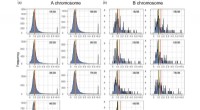
* Genetic makeup: The most fundamental difference is the presence of an extra copy of chromosome 21 in every cell of the body. This leads to an overproduction of the proteins encoded by the genes on this chromosome.
* Cell division: Cells with Down syndrome may divide at a slower rate than those in individuals without the condition. This is particularly noticeable in brain cells, which can contribute to some of the developmental delays associated with the syndrome.
* Cellular signaling: The extra chromosome can affect how cells communicate with each other through various signaling pathways. These changes can contribute to the development of specific health conditions associated with Down syndrome, such as heart defects and Alzheimer's disease.
* Protein synthesis: The presence of an extra chromosome 21 leads to increased production of certain proteins, which can affect the function of various cellular processes. This can impact cell growth, development, and metabolism.
* Immune system: Cells of the immune system in people with Down syndrome may be more susceptible to infections and autoimmune disorders.
* Brain development: The overproduction of proteins due to the extra chromosome can disrupt the normal development and functioning of brain cells, leading to cognitive differences and developmental delays.
Important to note:
* While the extra chromosome 21 is the primary cause of Down syndrome, the specific ways it manifests in individuals can vary greatly.
* There is no single "Down syndrome cell type." Rather, the changes in cells are complex and multifaceted, contributing to the diverse range of physical, cognitive, and developmental characteristics observed in people with Down syndrome.
It's essential to remember that individuals with Down syndrome are individuals with unique strengths, abilities, and personalities. Focusing on the individual rather than the diagnosis is crucial for a respectful and understanding approach.