Here's a breakdown:
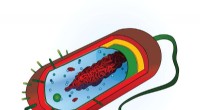
* Flagella: These are long, whip-like appendages that extend from the bacterial cell. They rotate like propellers, pushing the bacteria through its environment.
* Types of Flagellar Arrangements: Bacteria can have different arrangements of flagella, including:
* Monotrichous: A single flagellum at one end.
* Lophotrichous: A tuft of flagella at one end.
* Amphitrichous: Flagella at both ends.
* Peritrichous: Flagella distributed all over the cell surface.
Other structures that might help with movement:
* Pili: These are shorter and thinner than flagella, and they primarily function in attachment. However, some bacteria can use pili for a form of "twitching motility," which involves extending and retracting pili.
* Slime layers and capsules: These can help bacteria move through viscous environments, but they don't provide the primary means of locomotion.