* Genetic Material: Both cells contain the same genetic material (DNA), with the exception of mutations that may occur during replication. This DNA dictates the cell's functions and characteristics.
* Organelles: Most organelles, like mitochondria, ribosomes, and the Golgi apparatus, are duplicated and distributed to both daughter cells. This ensures both cells have the machinery necessary for survival and function.
* Cellular Structure: Both cells inherit the basic structural components of the parent cell, including the cell membrane, cytoplasm, and cytoskeleton. This provides the foundation for their shape and internal organization.
However, there are some key differences:
* Size: Daughter cells are typically smaller than the parent cell, but they will eventually grow to a similar size.
* Age: Daughter cells are younger than the parent cell, starting their lifespan anew.
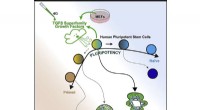
* Potential for Differentiation: In multicellular organisms, daughter cells may have different fates depending on their location and the signals they receive. They may differentiate into specialized cell types with unique functions.
Overall, daughter cells are essentially clones of their parent cell, but they have the potential to develop and differentiate into specialized cells, contributing to the growth and complexity of an organism.