Protists:
* Eukaryotic: They have a true nucleus and other membrane-bound organelles.
* Single-celled or simple multicellular: While some are single-celled (unicellular), others form simple colonies or have limited multicellularity.
* Diverse: This group is extremely diverse and includes a wide range of organisms with varying characteristics, leading to challenges in classification.
Examples of protists:
* Algae: Photosynthetic protists, like diatoms, green algae, and seaweed.
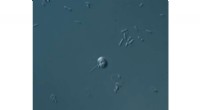
* Protozoa: Heterotrophic protists that consume other organisms. Examples include amoebas, paramecia, and sporozoans.
* Slime molds: Fungus-like protists that can exist as individual amoeboid cells or form multicellular slug-like structures.
Key characteristics of protists:
* Habitat: Found in diverse environments, including freshwater, saltwater, soil, and even within other organisms.
* Nutrition: Can be photosynthetic, heterotrophic, or mixotrophic (both).
* Reproduction: Typically reproduce asexually, but some can reproduce sexually as well.
* Importance: Play crucial roles in ecosystems, including being primary producers (algae), decomposers, and food sources for other organisms.
Beyond Protists:
While protists are the primary focus, some other groups can also be considered simple eukaryotes:
* Fungi: While most fungi are multicellular, some are single-celled, like yeasts.
* Early multicellular organisms: Simple multicellular organisms like sponges and some types of algae can be considered early stages of multicellular evolution.
It's important to note: The classification of protists is still evolving, and the exact definition of "simple multicellular" is open to interpretation.