1. Cells:
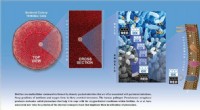
* The fundamental building blocks of all living things, including your body.
* There are trillions of cells in the human body, each with a specific function.
* Examples: nerve cells, muscle cells, blood cells, skin cells.
2. Tissues:
* Groups of similar cells that work together to perform a specific function.
* There are four main types of tissue:
* Epithelial tissue: Covers and protects surfaces (skin, lining of organs).
* Connective tissue: Supports and connects other tissues (bones, cartilage, blood).
* Muscle tissue: Enables movement (skeletal, smooth, cardiac).
* Nervous tissue: transmits information (brain, spinal cord, nerves).
3. Organs:
* Structures made up of different tissues that work together to perform a specific function.
* Examples: heart, lungs, stomach, liver, brain.
4. Organ Systems:
* Groups of organs that work together to carry out major bodily functions.
* Examples: circulatory system, digestive system, respiratory system, nervous system.
5. Chemical Components:
* The body is also composed of various chemical elements and compounds.
* Major elements: Oxygen, carbon, hydrogen, nitrogen (make up about 96% of body mass).
* Important compounds: water, proteins, carbohydrates, lipids (fats), nucleic acids (DNA, RNA).
Let's summarize:
* The body is made up of cells, which are organized into tissues.
* These tissues form organs, which work together in organ systems to perform vital functions.
* The body is also composed of various chemical elements and compounds that are essential for life.
This is just a basic overview. The human body is a fascinating and intricate system with many more components and processes.