* Massive Diversity: The number of proteins is constantly evolving and changing due to factors like:
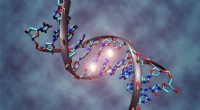
* Genetic Variation: Different organisms have different DNA sequences, leading to a vast array of possible protein variations.
* Alternative Splicing: A single gene can code for multiple proteins depending on how its RNA is processed.
* Post-Translational Modifications: Proteins can be modified after translation, adding further complexity.
* Uncharted Territory: We haven't fully explored all life forms on Earth, and new species are constantly being discovered. Each new species likely harbors novel proteins.
* Computational Estimates: Researchers use computational methods to estimate the number of possible proteins based on known genomes, but these are just estimations.
However, here are some figures to give you an idea:
* Human Proteome: Estimates suggest there are around 20,000-25,000 different protein-coding genes in the human genome. However, alternative splicing and post-translational modifications significantly increase the actual number of proteins in the human body.
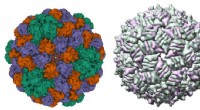
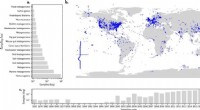
* Global Proteome: Some estimations suggest that there might be over 100 million different proteins in nature, but this is a rough estimate.
In summary: The number of proteins in nature is truly vast and ever-changing. It's a constantly evolving field of study with new discoveries being made all the time.