1. Where do cells come from in the big picture?
* Cells come from pre-existing cells. This is known as the Cell Theory, one of the fundamental principles of biology. So, all living things are ultimately made up of cells that have descended from a common ancestor.
* The first cells likely arose from non-living matter through a process called abiogenesis. This is a very complex and poorly understood process that scientists are still studying. It's thought to have happened in a series of steps over millions of years.
2. Where do cells come from within a multicellular organism?
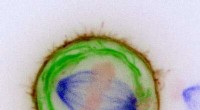
* Cells come from the division of other cells. Through processes like mitosis and meiosis, cells divide and create more cells. This is how growth and repair occur in organisms.
* Different types of cells in the body are specialized for different functions. This process is called cell differentiation, and it occurs during embryonic development.
3. What are cells made of?
* Cells are made of organic molecules. These include carbohydrates, lipids (fats), proteins, and nucleic acids (DNA and RNA).
* Cells also contain inorganic molecules like water and salts. These play important roles in maintaining cell function.
So, to sum it up: cells come from other cells, but the very first cells likely arose from non-living matter. Cells are made of a variety of organic and inorganic molecules, and they are essential for life.
Let me know if you want to delve deeper into any of these aspects!