* Energy: Organisms need energy to perform all life processes, like movement, growth, reproduction, and maintaining body temperature.
* Nutrients: They need nutrients to build and repair tissues, regulate bodily functions, and create enzymes and hormones.
Organisms that eat are called heterotrophs. Here are some examples:
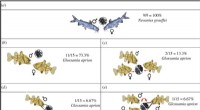
* Animals: Lions, birds, fish, insects, etc.
* Fungi: Mushrooms, molds, yeast
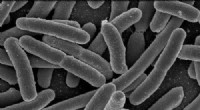
* Many bacteria: These are called chemoheterotrophs and they get their energy from consuming organic molecules.
Organisms that don't eat are called autotrophs. They make their own food from inorganic materials.
* Plants: They use photosynthesis to convert sunlight into energy.
* Some bacteria: These are called photoautotrophs and use sunlight for energy, or chemoautotrophs and use chemicals for energy.
Important Note: Even plants need nutrients from the soil and water, and some bacteria need specific substances to live. But they don't need to eat other organisms like heterotrophs do.