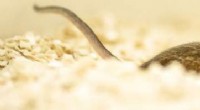
* Burrowing animals: Worms, clams, crabs, and even some fish dig tunnels and burrows, mixing the sediment and altering its physical structure.
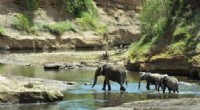
* Grazing animals: Herbivores that feed on plants and algae can trample and churn up the soil.
* Root systems: Plants, especially trees, can extend their roots deep into the soil, disrupting the sediment layers and creating pathways for water and air.
Effects of Bioturbation:
Bioturbation has significant impacts on the environment, including:
* Nutrient cycling: It brings deeper layers of sediment to the surface, exposing them to oxygen and allowing for the breakdown of organic matter. This process releases nutrients that are then available to other organisms.
* Sediment structure: Bioturbation can change the texture and stability of sediments, affecting their permeability and ability to hold water.
* Biodiversity: The creation of burrows and tunnels provides habitat for a variety of other organisms, increasing biodiversity in the ecosystem.
* Sediment transport: Some organisms, like burrowing worms, can physically move sediment, altering its distribution and transportation.
Examples of Bioturbation:
* Earthworms: Earthworms are known for their ability to create tunnels and mix the soil, improving soil aeration and drainage.
* Bivalve mollusks: Clams and other bivalves filter feed by drawing water through their bodies, and their burrowing activity can alter the sediment structure and facilitate the movement of oxygen and nutrients.
* Coral reefs: Fish and other marine organisms living on coral reefs create burrows and crevices that provide shelter and breeding grounds for other species.
Bioturbation is an important process in many ecosystems, contributing to nutrient cycling, soil development, and the maintenance of biodiversity.