Energy:
* Cellular Processes: Cells need energy to carry out all the essential functions of life. This includes things like:
* Building proteins, lipids, and carbohydrates: These are the molecules that make up a cell's structure and allow it to function.
* Transporting molecules: Moving nutrients and waste products in and out of the cell requires energy.
* Maintaining internal conditions: Keeping the cell's environment stable (like temperature, pH, etc.) requires energy.
* Muscle contraction, nerve impulse transmission, and many other important processes.
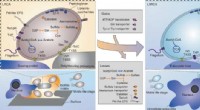
* ATP: The primary energy currency of cells is ATP (adenosine triphosphate). Cells break down food molecules to produce ATP, which is then used to power cellular processes.
Building Blocks:
* Growth and Repair: Cells need food for the raw materials to build new cells, repair damaged ones, and replace worn-out components.
* Building Macromolecules: Cells use the building blocks from food to create essential molecules like:
* Proteins: Needed for enzymes, hormones, structural components, and many other functions.
* Lipids: Needed for cell membranes, energy storage, and hormones.
* Carbohydrates: Needed for energy, structural support, and communication.
Essentially, food provides the energy and materials that cells need to survive, grow, and perform their functions. Just like humans need food to thrive, so do individual cells!