1. Regulating Stomatal Opening and Closing:
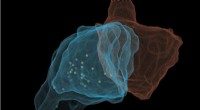
* Opening: When guard cells absorb water, they become turgid (swollen), causing the stomatal pore to open. This allows for:
* Carbon dioxide (CO2) uptake: CO2 is essential for photosynthesis, the process by which plants produce food.
* Oxygen (O2) release: A byproduct of photosynthesis.
* Water vapor release: This is part of transpiration, which helps cool the plant and move water through the plant.
* Closing: When guard cells lose water, they become flaccid (limp), causing the stomatal pore to close. This helps to:
* Prevent excessive water loss: Especially important in dry conditions.
* Reduce CO2 uptake: When photosynthesis is not efficient due to factors like lack of sunlight or water stress.
2. Factors Affecting Guard Cell Function:
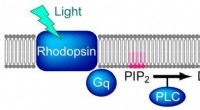
* Light: Guard cells have chloroplasts and respond to light, opening stomata during the day when photosynthesis is active.
* Carbon dioxide concentration: When CO2 levels are high, stomata tend to close.
* Water availability: When water is scarce, guard cells close stomata to conserve water.
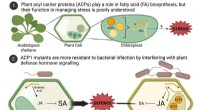
* Hormones: Plant hormones like abscisic acid (ABA) can trigger stomatal closure in response to stress.
3. Importance of Guard Cells:
* Photosynthesis: Proper stomatal opening allows for the uptake of CO2, which is essential for photosynthesis.
* Water balance: Regulating water loss through transpiration is vital for plant survival, especially in dry environments.
* Temperature regulation: Transpiration helps cool the plant, preventing overheating.
In essence, guard cells are the gatekeepers of gas exchange and water balance in plants. Their ability to open and close stomata allows plants to optimize their physiological processes for growth and survival.