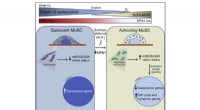
* DNA: The nucleus contains the cell's DNA, which holds the genetic instructions for building and maintaining the entire organism.
* Gene Expression: The nucleus controls which genes are expressed (turned on) and which are not. This regulates the production of proteins, which are essential for all cellular functions.
* Ribosome Production: The nucleus produces ribosomes, the tiny factories that manufacture proteins according to the instructions from DNA.
Other important players:
* Cytoplasm: The fluid that fills the cell, providing a medium for chemical reactions and transporting molecules.
* Organelles: Specialized structures within the cell, like mitochondria (powerhouses) and Golgi apparatus (packaging center), carry out specific tasks.
* Cell Membrane: The outer boundary of the cell, regulating what enters and exits.
While the nucleus is the primary control center, all of these components work together in a complex network to ensure the cell's survival and function.