Here's a breakdown of why:
* Cell Wall: This outer layer provides structural support and protection. It's like a sturdy shell that helps the cell maintain its shape and resist internal pressure.
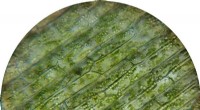
* Plants: Plant cell walls are primarily made of cellulose, a complex carbohydrate that forms strong fibers.
* Algae: Algae cell walls can be made of cellulose, but also other materials like silica (glass-like) or calcium carbonate (like seashells).
* Fungi: Fungi cell walls are made of chitin, a tough, nitrogen-containing polysaccharide.
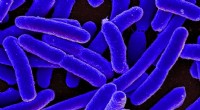
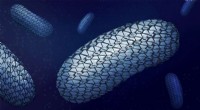
* Bacteria: Bacterial cell walls are composed of peptidoglycan, a complex molecule unique to bacteria.
Exceptions:
* Animal cells: Animal cells lack cell walls, which is why they have a more flexible and less defined shape. They rely on an internal cytoskeleton for structure.
Let me know if you have any other questions!