1. Competition:
* Interspecific Competition: Different species compete for the same limited resources like food, water, shelter, or sunlight. For example, lions and hyenas compete for prey, while trees compete for sunlight.
* Intraspecific Competition: Individuals of the same species compete for resources, like mates, territory, and food. For example, male deer fight for dominance and access to females.
2. Predation:
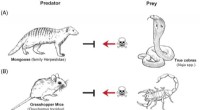
* One organism (the predator) hunts and kills another organism (the prey) for food. Examples include wolves hunting deer, hawks eating mice, and spiders catching flies in their webs. This interaction directly affects population sizes of both predator and prey.
3. Parasitism:
* One organism (the parasite) lives in or on another organism (the host), benefiting at the host's expense. Examples include tapeworms in the intestines of mammals, ticks feeding on blood, and fungi causing diseases in plants. Parasitism can weaken or even kill the host.
4. Mutualism:
* Two species benefit from each other in a relationship. Examples include:
* Bees and Flowers: Bees get nectar from flowers, while pollen sticks to their bodies and is transported to other flowers, facilitating pollination.
* Cleaner Fish and Larger Fish: Cleaner fish eat parasites from larger fish, getting food while keeping the larger fish healthy.
5. Commensalism:
* One species benefits from the relationship while the other is neither harmed nor helped. Examples include:
* Barnacles on Whales: Barnacles benefit by attaching to whales, getting a free ride and access to food, while the whales are unaffected.
* Birds nesting in trees: The birds benefit from the shelter, while the tree is not impacted.
6. Amensalism:
* One species is harmed, while the other is unaffected. Examples include:
* A tree's shade inhibiting the growth of smaller plants: The tree is unaffected, but the smaller plants struggle to grow.
* Penicillin production by fungi killing bacteria: The fungi are unaffected, but the bacteria are killed.
7. Synnecrosis:
* A situation where both species are negatively impacted by the interaction. For example, in a crowded environment, two species may be vying for the same resources and harming each other in the process.
Impact on Evolution:
* Interactions between organisms drive evolution by selecting for traits that enhance survival and reproduction. For example, predators evolve faster running speeds and sharper teeth, while prey evolve better camouflage or defense mechanisms.
Ecosystem Balance:
* These interactions are vital for maintaining ecosystem balance. Predators control prey populations, parasites can regulate host populations, and mutualistic relationships contribute to the stability of food webs.
Overall, the relationships between living organisms are complex and multifaceted. They shape the evolution, diversity, and stability of life on Earth. Understanding these interactions is crucial for comprehending the functioning of ecosystems and for addressing challenges like biodiversity loss and climate change.