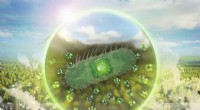
* Bacteria: These are single-celled organisms and are common causes of infections.
* Viruses: These are not technically alive as they need a host cell to reproduce. They are essentially genetic material encased in a protein coat. They can also be considered germs.
* Fungi: Some fungi, like yeasts, are single-celled, while others, like mushrooms, are multicellular. Some fungi can cause infections.
* Parasites: These are multicellular organisms (like worms) that live in or on another organism and benefit at the host's expense. They can also be considered germs.
So, while many germs are single-celled, not all are. It depends on the specific germ you're talking about.