1. Isolation of DNA:
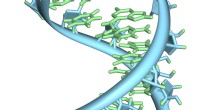
* Source 1: The DNA containing the desired gene is isolated from the first organism. This can be done using various methods, such as using enzymes to break open cells and extract the DNA.
* Source 2: The DNA of the recipient organism is also isolated.
2. Gene Cloning:
* Restriction Enzymes: Specific enzymes (restriction enzymes) are used to cut both the donor and recipient DNA at precise locations. This creates matching "sticky ends" that can be joined together.
* Vector: The desired gene from the donor DNA is inserted into a vector, which is a carrier molecule (often a plasmid or virus) that can transport the gene into the recipient organism.
* Ligase Enzyme: An enzyme called ligase is used to join the desired gene into the vector. This creates a recombinant DNA molecule.
3. Transformation:
* Introduction: The recombinant DNA is then introduced into the recipient organism. This is often achieved through a process called transformation, where the recipient cells take up the recombinant DNA.
* Selection: Only the recipient cells that have successfully incorporated the recombinant DNA will survive and grow. This can be achieved through the use of antibiotic resistance genes or other selective markers present in the vector.
4. Expression:
* Transcription and Translation: The introduced gene is now part of the recipient organism's genetic makeup. It will be transcribed into mRNA and translated into a protein, potentially producing a desired product or trait in the organism.
Applications of Recombinant DNA Technology:
* Medicine: Production of insulin, growth hormone, vaccines, and other therapeutic proteins.
* Agriculture: Development of crops with increased yield, pest resistance, and nutritional content.
* Biotechnology: Production of enzymes, biofuels, and other industrially useful products.
Ethical Considerations:
Recombinant DNA technology raises important ethical concerns, including:
* Safety: Potential risks of creating new pathogens or introducing unintended effects into the environment.
* Equity: Access to these technologies and potential benefits.
* Regulation: Ensuring responsible use and oversight of this powerful technology.
It's important to note that recombinant DNA technology is a complex and rapidly evolving field. Research is ongoing to improve techniques and address ethical challenges associated with its use.