1. Selective Permeability:
* The cell membrane acts as a barrier, controlling what enters and exits the cell. It's selectively permeable, meaning it allows some substances to pass through while blocking others. This selective nature is crucial for maintaining the cell's internal environment and carrying out its functions.
* Passive Transport: This type of transport does not require energy. Substances move across the membrane following their concentration gradient (from high to low concentration). Examples include:
* Simple diffusion: Movement of small, uncharged molecules like oxygen and carbon dioxide.
* Facilitated diffusion: Movement of larger molecules or charged ions with the help of membrane proteins (e.g., glucose transporter).
* Osmosis: Movement of water across a semi-permeable membrane from a region of high water concentration to a region of low water concentration.
* Active Transport: This type of transport requires energy (usually in the form of ATP) to move substances against their concentration gradient (from low to high concentration). Examples include:
* Sodium-potassium pump: Maintains the electrochemical gradient across the cell membrane, crucial for nerve impulse transmission and muscle contraction.
2. Cell Signaling:
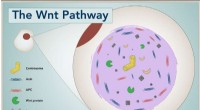
* The cell membrane is involved in receiving signals from the external environment and transmitting them to the cell's interior.
* Receptors: Proteins embedded in the cell membrane bind to specific signaling molecules (ligands), initiating a cascade of events that ultimately lead to a cellular response.
* Signal transduction: The process of converting an extracellular signal into an intracellular response.
3. Cell Adhesion:
* The cell membrane helps cells adhere to each other and to the extracellular matrix.
* Cell junctions: Specialized structures that connect adjacent cells, providing structural support, communication channels, and barriers.
* Cell adhesion molecules: Proteins on the cell surface that mediate interactions with other cells or the extracellular matrix.
4. Vesicular Transport:
* The cell membrane plays a crucial role in transporting substances within the cell and between the cell and its environment.
* Endocytosis: The process of taking in material from the external environment by engulfing it in a vesicle.
* Exocytosis: The process of releasing substances from the cell by fusing vesicles with the cell membrane.
5. Other Functions:
* Maintaining cell shape: The cell membrane provides a flexible and protective barrier that contributes to the cell's overall structure.
* Anchoring the cytoskeleton: The cell membrane provides a platform for the cytoskeleton to attach, providing structural support and enabling movement.
* Protection: The cell membrane protects the cell from the external environment and helps maintain its internal environment.
Overall, the cell membrane is a dynamic and essential component of the cell, playing a critical role in a wide range of cellular processes.