Field Research:
* Oceans, Seas, and Coastlines: This is the heart of marine biology!
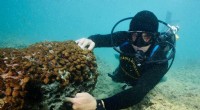
* Underwater: Scuba diving, snorkeling, and remotely operated vehicles (ROVs) are used to study marine life in its natural habitat.
* On Boats: Research vessels are used for everything from collecting samples to conducting experiments in the open ocean.
* Coastal Areas: Studying beaches, tide pools, estuaries, and coastal ecosystems often involves working outdoors in all weather conditions.
* Laboratories: While much of the work is in the field, marine biologists spend time in laboratories analyzing samples, conducting experiments, and writing reports.
Other Work Environments:
* Aquariums and Zoos: Marine biologists work in these settings to care for marine animals, conduct research, and educate the public.
* Universities and Research Institutes: They might teach, mentor students, and conduct research projects.
* Government Agencies: Marine biologists work for agencies like the National Oceanic and Atmospheric Administration (NOAA) to manage fisheries, protect marine ecosystems, and enforce regulations.
* Private Companies: Marine biologists may work for consulting firms or corporations involved in aquaculture, environmental impact assessments, or marine conservation efforts.
Challenges of the Job:
* Physical Demands: Fieldwork often involves long hours, physically demanding activities, and exposure to harsh conditions.
* Travel and Remote Locations: Marine biologists often work in remote areas, requiring them to be comfortable with travel and living in different environments.
* Competition for Funding: Research positions can be competitive, with limited funding available for projects.
* Environmental Concerns: They often face difficult ethical and environmental issues, such as pollution, overfishing, and climate change.
Rewards of the Job:
* Working with Nature: Marine biologists get to study fascinating creatures and ecosystems, contributing to our understanding of the ocean world.
* Making a Difference: Their work can help protect marine life, conserve ecosystems, and solve environmental problems.
* Discoveries and Innovation: They have the opportunity to make new discoveries and contribute to scientific advancements.
* Global Impact: Their research can have a global impact, influencing policy decisions and conservation efforts.
Overall, the work environment of a marine biologist is both challenging and rewarding, offering the chance to explore and protect the ocean's wonders.