Structure:
* Cell Wall: A rigid outer layer that provides shape and protection.
* Cell Membrane: A thin, flexible layer that controls what enters and exits the cell.
* Cytoplasm: The gel-like substance that fills the cell and contains the cell's components.
* Ribosomes: Tiny structures responsible for protein synthesis.
* DNA: The genetic material of the bacteria, usually in a single, circular chromosome.
* Flagella: Whip-like structures that help bacteria move.
* Pili: Hair-like structures that help bacteria attach to surfaces and exchange genetic material.
Metabolism:
* Energy Production: Bacteria can produce energy through a variety of processes, including photosynthesis, respiration, and fermentation.
* Nutrient Acquisition: They can obtain nutrients from various sources, including organic matter, inorganic compounds, and sunlight.
* Waste Products: Bacteria produce various waste products as byproducts of their metabolism.
Reproduction:
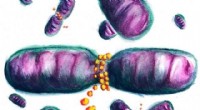
* Binary Fission: The primary mode of reproduction in bacteria, where a single cell divides into two identical daughter cells.
Ecological Roles:
* Decomposers: Break down organic matter and recycle nutrients.
* Nitrogen Fixers: Convert atmospheric nitrogen into forms usable by plants.
* Symbiotic Relationships: Live in close association with other organisms, sometimes mutually beneficial.
* Pathogens: Cause diseases in humans, animals, and plants.
Key Differences from Other Organisms:
* Prokaryotic: Lack a nucleus and other membrane-bound organelles found in eukaryotic cells (like plants and animals).
* Unicellular: Exist as single, independent cells.
* Diverse Metabolism: Can utilize a wider range of energy sources and produce a variety of metabolic byproducts compared to other organisms.
Importance:
Bacteria play crucial roles in numerous ecological processes and are essential for life as we know it. They are also used in a variety of industrial processes, such as food production, biotechnology, and medicine.
This is just a brief overview of what bacteria have. Their diversity is vast, and there is still much to learn about these fascinating microorganisms.