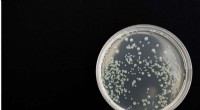
Key characteristics of sac fungi:
* Asci: These are the defining feature of Ascomycota. They are usually club-shaped or cylindrical cells that develop within fruiting bodies called ascocarps.
* Ascospores: Spores produced within the asci through meiosis and mitosis. They are typically haploid and are released from the asci to germinate and produce new fungal colonies.
* Ascocarps: These are fruiting bodies that contain asci. They can be diverse in shape, size, and color, ranging from microscopic to macroscopic structures like mushrooms, morels, and truffles.
* Septate hyphae: The fungal filaments (hyphae) are typically divided into compartments by cross-walls called septa.
Examples of sac fungi:
* Yeasts: Unicellular fungi that are important in baking, brewing, and other industrial processes.
* Penicillium: A genus of fungi that produces the antibiotic penicillin.
* Morels and truffles: Edible mushrooms that are highly prized for their flavor and aroma.
* Powdery mildew: A group of fungi that cause powdery mildew diseases in plants.
* Dutch elm disease fungus: A fungal pathogen that causes Dutch elm disease, a devastating disease of elm trees.
Ecological importance:
Sac fungi play crucial roles in various ecosystems:
* Decomposers: They break down organic matter, recycling nutrients back into the environment.
* Symbionts: Some sac fungi form symbiotic relationships with plants (mycorrhizae) or algae (lichens).
* Pathogens: Some species are plant pathogens that cause crop diseases.
Economic importance:
Sac fungi are important in various industries:
* Food production: Yeasts are used in baking, brewing, and winemaking.
* Pharmaceuticals: Antibiotics and other drugs are produced by certain fungi.
* Agriculture: Some fungi are used as biocontrol agents to control pests and diseases.
In summary, sac fungi (Ascomycota) are a vast and diverse group of fungi characterized by their asci, which are specialized cells that produce spores. They are essential components of various ecosystems and have significant economic and ecological importance.