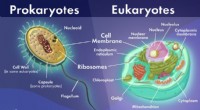
Nuclear DNA, housed within the nucleus of eukaryotic cells, is a complex molecule with a highly organized structure. Here's a breakdown:
1. Nucleotides: The basic building blocks of DNA are nucleotides, each consisting of:
* Deoxyribose sugar: A five-carbon sugar molecule.
* Phosphate group: A negatively charged molecule attached to the sugar.
* Nitrogenous base: One of four different molecules: Adenine (A), Guanine (G), Cytosine (C), or Thymine (T).
2. Double Helix: Two strands of DNA, running in opposite directions (antiparallel), are linked together by hydrogen bonds between their nitrogenous bases.
* Base pairing: Adenine always pairs with thymine (A-T) and guanine always pairs with cytosine (G-C), forming complementary base pairs.
* Sugar-phosphate backbone: The two strands are held together by phosphodiester bonds between the sugar and phosphate groups, creating a sugar-phosphate backbone along each strand.
* Double helix structure: The two strands twist around each other, forming a double helix with a specific diameter and spacing between the two strands.
3. Chromosomes: DNA is packaged into linear structures called chromosomes. Each chromosome consists of a single, long molecule of DNA tightly coiled around proteins called histones.
* Histones: These proteins act as spools, organizing DNA into nucleosomes, the basic unit of DNA packaging.
* Chromatin: DNA wrapped around histones forms chromatin, a compact structure that allows for efficient storage and organization of DNA within the nucleus.
* Centromere: A specialized region on each chromosome where sister chromatids (identical DNA copies) are attached during cell division.
* Telomeres: Protective caps at the ends of each chromosome, preventing DNA degradation and ensuring proper replication.
4. Genes: Within the DNA sequence, specific segments called genes encode the information for building and maintaining an organism.
* Genetic code: The sequence of nitrogenous bases in a gene determines the sequence of amino acids in a protein.
* Transcription and translation: Genes are transcribed into RNA molecules, which are then translated into proteins, carrying out various functions within the cell.
5. Non-coding DNA: While genes make up a portion of nuclear DNA, a significant amount is non-coding.
* Regulatory elements: These sequences control gene expression, determining when and where genes are turned on or off.
* Repetitive sequences: These regions are highly repetitive and have no known function.
In summary, nuclear DNA is a highly organized and complex molecule that serves as the blueprint for life. Its structure allows for efficient storage, replication, and expression of genetic information, ultimately defining the characteristics and functions of every living organism.