1. Phylogenetic Analysis:
* Molecular Data: This is the most widely used method today. Scientists compare DNA and RNA sequences (especially ribosomal RNA) of different organisms. The more similar the sequences, the more closely related the organisms.
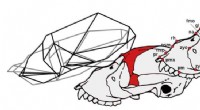
* Morphological Data: This involves comparing the physical structures of organisms (anatomy, embryology, etc.). While not as precise as molecular data, it can still provide valuable information.
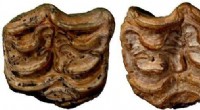
* Fossil Data: Fossils provide a historical perspective on evolution and relationships between extinct and extant organisms.
2. Comparative Genomics:
* Genome Sequencing: Sequencing the entire genome of different organisms allows for detailed comparisons of genes, gene arrangements, and even non-coding DNA. This provides a vast amount of data to understand evolutionary relationships.
* Gene Expression Analysis: Studying how genes are expressed (activated or deactivated) in different organisms can reveal similarities and differences in their physiology and development.
3. Biogeography:
* Geographical Distribution: The geographical locations of organisms and their relatives can provide clues about their evolutionary history. For example, similar species found on different continents might suggest an ancient connection.
4. Ecological Data:
* Niche Overlap: Species that share similar ecological roles (feeding habits, habitat preferences, etc.) might be more closely related than those with vastly different lifestyles.
5. Other Approaches:
* Behavioral Data: Comparing behaviors, especially social behaviors, can offer insights into relationships.
* Developmental Data: Examining the developmental stages of organisms can reveal shared ancestry.
The Resulting System:
These analyses are combined to create a hierarchical classification system. This system uses a nested structure, grouping organisms based on shared characteristics and evolutionary relationships. This is represented in a tree-like diagram called a phylogenetic tree, which shows how different species have diverged from common ancestors.
Important Notes:
* Classification is constantly evolving: New data and analytical techniques are constantly refining our understanding of relationships.
* Not a perfect system: Some relationships remain debated, and the complexity of life makes it challenging to have a completely clear-cut system.
It's essential to remember that the goal of biological classification is to reflect the evolutionary history of life on Earth, not just to create neat categories. The analysis and grouping of organisms are constantly evolving as our understanding of life's history continues to improve.