Most Helpful Characteristics:
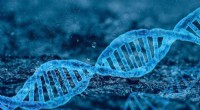
* Evolutionary Relationships (Phylogeny): This is the most fundamental and accurate way to classify organisms. By analyzing similarities in DNA, RNA, and protein sequences, we can determine how closely related species are and how they evolved over time. This forms the basis of modern taxonomy.
* Shared Derived Traits: These are characteristics that evolved in a common ancestor and are present in its descendants. For example, the presence of feathers is a shared derived trait that unites all birds.
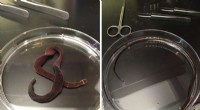
* Anatomical and Morphological Features: These include the physical structure and form of an organism, such as the number of legs, presence of wings, and shape of teeth. This is useful for classifying organisms at a broader level.
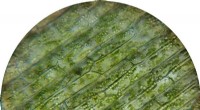
* Physiological and Biochemical Features: These include metabolic processes, the composition of biomolecules (like proteins), and cellular structures. While often less visible, these characteristics can provide detailed insights into relationships.
* Developmental Stages: Similarities in embryonic development can be used to infer evolutionary relationships, especially among vertebrates.
Less Helpful Characteristics:
* Ecological Niche: While helpful for understanding an organism's role in its environment, this can be unreliable for classification. Organisms can adapt to similar niches independently, leading to convergent evolution.
* Behavioral Traits: These can be influenced by environmental factors and aren't always indicative of close evolutionary relationships.
* Size and Color: These can be influenced by environmental pressures and can vary greatly within a species, making them poor indicators of relatedness.
Important Note:
The best approach to classifying organisms is to use a combination of these characteristics. Each characteristic can provide valuable information, but it's crucial to consider the whole picture and not rely on any single trait in isolation.