Examples:
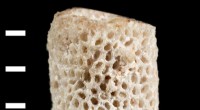
* Bones: The strong, hard structure of bones allows them to provide support and protection for the body. The different shapes of bones, such as long bones in the limbs for movement, flat bones in the skull for protection, and irregular bones in the spine for flexibility, are all adapted for their specific functions.
* Muscles: The elongated, contractile fibers of muscles allow them to generate force and movement. The arrangement of muscle fibers, such as in the biceps and triceps, determines the direction and type of movement they produce.
* Lungs: The intricate network of alveoli in the lungs creates a large surface area for gas exchange. The thin walls of the alveoli allow for efficient diffusion of oxygen into the bloodstream and carbon dioxide out.
* Heart: The powerful, muscular walls of the heart enable it to pump blood throughout the body. The four chambers of the heart, each with a specific function, work together to ensure the efficient circulation of blood.
* Leaves: The flat, broad shape of leaves maximizes their exposure to sunlight for photosynthesis. The presence of chloroplasts within leaf cells enables them to capture light energy and convert it into chemical energy.
Key Concepts:
* Adaptation: Structures evolve over time to become better suited for their function.
* Specificity: Different structures are specialized for different functions, contributing to the overall efficiency of the organism.
* Interdependence: Structures often work together in complex systems, relying on each other to perform their roles.
Examples at the Cellular Level:
* Mitochondria: These structures are responsible for energy production within cells. Their folded inner membranes provide a large surface area for chemical reactions to occur.
* Ribosomes: These structures are responsible for protein synthesis. Their small size and intricate structure enable them to translate genetic information into functional proteins.
* Cell Membrane: This selectively permeable structure controls the movement of molecules in and out of the cell, maintaining the cell's internal environment.
Conclusion:
Understanding the structure-function relationship is crucial for comprehending how organisms work. By examining the form of a structure, we can gain insights into its purpose and role in the organism's overall function. This principle applies at all levels of biological organization, from individual cells to complex organ systems, and highlights the elegance and efficiency of life's design.