Here's a breakdown:
* Osmosis: Specifically refers to the movement of water molecules across a semi-permeable membrane from an area of high water concentration (low solute concentration) to an area of low water concentration (high solute concentration).
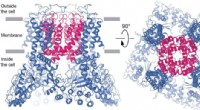
* Facilitated Diffusion: This involves the movement of other molecules across the cell membrane with the help of transport proteins. These proteins act as channels or carriers, allowing the molecules to move down their concentration gradient without requiring energy.
While both processes follow the concentration gradient, osmosis involves only water, while facilitated diffusion can involve a variety of molecules like sugars, amino acids, and ions.