1. Genetic Variation:
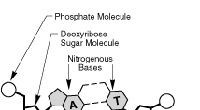
* DNA as a blueprint: Our DNA contains the instructions for building proteins. Variations in these instructions, called single nucleotide polymorphisms (SNPs), can lead to changes in the protein sequence, structure, and function.
* Protein Diversity: These variations can create a wide range of protein isoforms, which are subtly different versions of the same protein. This diversity contributes to the unique biological makeup of each individual.
2. Protein Function and Expression:
* Enzymes and metabolism: Proteins act as enzymes, catalyzing biochemical reactions that underpin our metabolism. Variations in enzyme activity can influence how efficiently we process nutrients, detoxify substances, and produce energy.
* Cellular signaling and communication: Proteins mediate cell-to-cell communication, regulating processes like growth, development, and immune response. Differences in protein expression and function can impact how our cells respond to stimuli, affecting our health and susceptibility to disease.
* Structural components: Some proteins provide structural support to cells, tissues, and organs. Variations in these proteins can influence physical traits like height, bone density, and muscle mass.
3. Phenotypic Differences:
* Physical traits: Protein variations contribute to a wide range of visible physical traits like eye color, hair color, skin pigmentation, and body build.
* Disease susceptibility: Differences in protein function can influence our predisposition to certain diseases, impacting health and longevity.
* Behavioral and personality traits: While the connection is complex and still being explored, studies suggest that proteins involved in neurotransmission and brain development may play a role in shaping individual differences in behavior, temperament, and personality.
4. Environmental Influence:
* Epigenetics: The environment can influence the expression of our genes, affecting the amount and type of proteins produced. For example, diet, stress, and exposure to toxins can alter protein levels, contributing to individual differences.
Examples:
* Lactose intolerance: A variation in the lactase enzyme gene leads to reduced lactase production, resulting in inability to digest lactose.
* Blood type: Different blood types result from variations in the protein composition of red blood cells.
* Muscle mass: Individuals with different genetic variations in muscle protein genes may have different potential for muscle growth and strength.
In conclusion: Proteins are key players in shaping individual differences, impacting our physical traits, health, behavior, and more. By understanding the role of proteins in creating diversity, we can gain valuable insights into human biology, disease mechanisms, and personalized medicine.