Who uses photosynthesis?
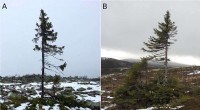
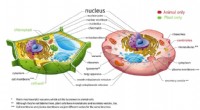
* Plants: The most familiar users of photosynthesis. They use sunlight to convert carbon dioxide and water into glucose (sugar) for energy and oxygen as a byproduct.
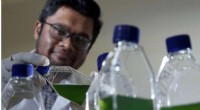
* Algae: These are single-celled or multicellular organisms that live in water. They perform photosynthesis and are crucial to aquatic ecosystems.
* Some Bacteria: Certain bacteria, like cyanobacteria, also photosynthesize. These are responsible for a significant portion of the oxygen in our atmosphere.
Who doesn't use photosynthesis?
* Animals: Animals get their energy by consuming other organisms (plants or animals) that have already undergone photosynthesis.
* Fungi: Fungi are decomposers and obtain their energy by breaking down dead organic matter.
* Most bacteria: While some bacteria photosynthesize, most obtain energy through other means, like breaking down organic matter or using chemicals.
In a nutshell: Photosynthesis is used by organisms that can harness light energy to create their own food. This includes plants, algae, and some bacteria.