1. Physical Environment:
* Temperature: Cells have an optimal temperature range for function. Maintaining this temperature is crucial, especially for enzymatic activity.
* pH: Cells thrive within a specific pH range. Maintaining the correct pH is important for enzyme function and overall cell stability.
* Osmolality: The concentration of solutes in the cell's environment directly affects water movement in and out of the cell. Maintaining the correct osmolality prevents cell shrinkage or bursting.
* Pressure: For some cells, like those in the deep sea, pressure is a significant factor that needs to be replicated in the environment.
2. Chemical Environment:
* Nutrient Availability: Cells need specific nutrients like glucose, amino acids, and fatty acids to function. The environment should provide these nutrients in sufficient amounts.
* Gas Exchange: Cells require oxygen for respiration and produce carbon dioxide as a waste product. The environment should facilitate proper gas exchange.
* Waste Removal: Cells produce various waste products. The environment should facilitate their removal to prevent toxic buildup.
* Hormones and Growth Factors: Cells respond to hormones and growth factors, which can be present in the surrounding environment. These need to be carefully controlled for optimal cell growth and differentiation.
3. Structural Environment:
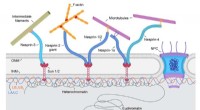
* Extracellular Matrix: For many cells, the extracellular matrix provides structural support, attachment points, and influences cell behavior. This matrix needs to be replicated as closely as possible.
* Cell-Cell Interactions: Cells often interact with each other through specialized junctions. The environment should allow for these interactions to occur.
4. Biomechanical Environment:
* Mechanical Forces: Cells experience physical forces such as stretching, compression, and shear stress. The environment should replicate these forces to ensure proper cell function.
5. Other Factors:
* Light: Some cells, like photosynthetic cells, need specific light conditions.
* Electromagnetic Fields: Cells can be affected by electromagnetic fields, especially in certain applications like electroporation.
The specific factors considered when making a cell environment similar to its surroundings will depend on the type of cell, its purpose, and the application. For example, culturing cells in vitro requires careful control of all these factors to ensure their survival, growth, and function.
This is a complex topic, and many researchers are constantly working to improve our understanding of how cells interact with their environment.