1. Initial Observation and Collection:
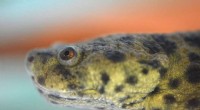
* Visual Examination: Observing the organism's physical characteristics, including size, shape, color, and any unique features.
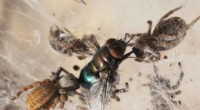
* Habitat and Behavior: Noting where the organism was found, its behavior, and interactions with its environment.
* Sample Collection: Carefully collecting a specimen of the organism, preserving it appropriately (e.g., in alcohol, formalin, or dried), and labeling it with all relevant information.
2. Morphological Analysis:
* Microscopic Examination: Using microscopes to study the organism's internal structure, including cells, tissues, and organs.
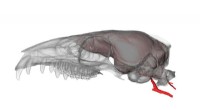
* Dissection: Carefully dissecting the organism to examine its internal anatomy and compare it to known species.
* Comparison with Existing Data: Comparing the organism's morphology to descriptions and illustrations in taxonomic keys, databases, and scientific literature.
3. Molecular Analysis:
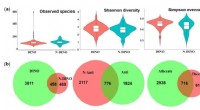
* DNA Sequencing: Determining the organism's genetic makeup by sequencing its DNA. This allows for comparison with existing DNA databases and can reveal evolutionary relationships.
* Phylogenetic Analysis: Using genetic data to construct evolutionary trees and place the organism within a broader taxonomic framework.
4. Biochemical Analysis:
* Metabolic Profiling: Studying the organism's metabolic processes and identifying unique biochemical markers.
* Protein Analysis: Examining the organism's protein composition to identify unique proteins or enzymes.
5. Ecological Analysis:
* Ecological Niche: Analyzing the organism's role in its ecosystem, including its food sources, predators, and competitors.
* Population Dynamics: Studying the organism's population size, distribution, and growth patterns.
6. Expert Consultation:
* Taxonomic Specialists: Consulting with experts in the relevant taxonomic group (e.g., botanists, zoologists, mycologists) to verify the identification and provide further insights.
7. Publication and Dissemination:
* Scientific Paper: Writing a detailed scientific paper describing the organism's identification, characteristics, and significance.
* Database Entry: Submitting the data to relevant taxonomic databases and online repositories.
Important Notes:
* Identifying a completely new organism is rare: It's more likely that an unknown organism will belong to a known genus or family.
* Multiple Lines of Evidence: Scientists rely on a combination of morphological, molecular, biochemical, and ecological data to make a definitive identification.
* Ongoing Research: The process of identifying and classifying organisms is ongoing, with new discoveries and advancements in technology constantly refining our understanding of the natural world.
By applying these methods, scientists can unravel the mysteries of biodiversity and continue to discover and categorize the vast array of life on Earth.